If you have experienced harassment or physical harm during a trip, you are likely feeling overwhelmed. Between dealing with the trauma and the app’s automated support bots, it’s easy to feel like your voice isn’t being heard. However, you have specific legal rights that go beyond a simple fare refund.
In this guide, we break down the essential steps to protect yourself and how to hold tech giants accountable.
1. Immediate Steps: Your Safety and Evidence
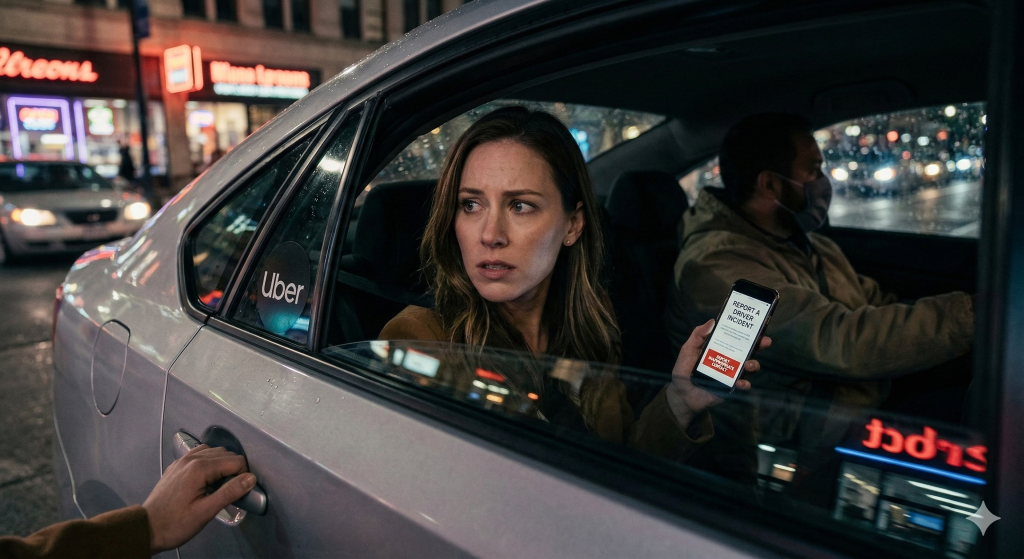
The moments following an incident are critical. If you are wondering what to do if an Uber driver touches you inappropriately or threatens your safety, the first priority is a safe exit. Once you are in a secure location:
- Call 911: A police report is the most powerful piece of evidence in a future lawsuit.
- Take Screenshots: Capture the driver’s name, photo, vehicle plate, and the trip map before the ride is deleted or “cancelled” by the driver.
- Do Not Delete the App: The digital footprint of your ride is vital for discovery.
2. Reporting to the Platform vs. Legal Action
Many victims ask about the reporting Uber driver for harassment police report process. While reporting through the app is necessary to get the driver deactivated, remember that Uber and Lyft’s internal investigations are designed to protect the company, not you.
If you suffered a physical confrontation, knowing the Uber driver physical assault settlement amounts can be eye-opening. Settlements often cover medical bills, psychological therapy, and pain and suffering—costs that the rideshare companies’ basic “support” will never offer.
3. Holding the Company Accountable for Negligence
One of the most common grounds for a lawsuit is “negligent hiring.” Often, victims discover that their attacker had a prior record. A class action lawsuit for Uber driver background checks may be applicable if the company failed to screen a driver properly, allowing a predator behind the wheel.
By filing a lawsuit against Lyft for driver misconduct or a similar claim against Uber, you aren’t just seeking compensation; you are forcing these companies to implement stricter safety protocols to protect future passengers.
Free Case Evaluation: Know Your Rights
If you or a loved one has been a victim of rideshare abuse, you don’t have to navigate this alone. Legal experts specialize in holding rideshare companies accountable for their drivers’ actions.
[Click Here to See If You Qualify for Compensation] — 100% Confidential & No Upfront Costs.
Why You Need a Specialized Attorney
Rideshare law is complex because drivers are often classified as independent contractors. This is a tactic companies use to distance themselves from liability.
A sexual harassment lawyer for rideshare victims understands how to pierce this “contractor shield.” They can subpoena internal records, GPS data, and driver history that you cannot access on your own.
Summary of Your Rights
| Incident Type | Potential Legal Path |
| Inappropriate Comments/Touching | Harassment Claim & Deactivation |
| Physical Battery | Personal Injury Lawsuit |
| Kidnapping Attempt | Negligence & Criminal Liability |
| Background Check Failures | Corporate Negligence Lawsuit |
4. The Hidden Factor: Corporate Negligence
Most victims don’t realize that the driver might not be the only one at fault. Behind every incident, there is often a failure in corporate oversight.
Legal discovery often reveals that a company ignored previous red flags. If you are considering a lawsuit against Uber for driver assault, your attorney will investigate:
- Inadequate Background Checks: Did the company miss a criminal record?
- Ignored Complaints: Had other passengers reported this driver before you?
- Safety Feature Failures: Did the “Emergency Button” or GPS tracking fail to alert authorities?
5. Understanding Your Potential Compensation
While every case is unique, Uber driver physical assault settlement amounts are calculated based on several “damage” categories. A specialized lawyer will fight for:
- Economic Damages: Medical bills, therapy costs, and lost wages if you missed work.
- Non-Economic Damages: Pain and suffering, emotional distress, and PTSD.
- Punitive Damages: In cases of extreme negligence, courts may award extra compensation to punish the rideshare company and prevent future incidents.
⚠️ Urgent: Statute of Limitations Warning
Every state has a “Statute of Limitations”—a strict deadline to file a claim. If you wait too long, you may permanently lose your right to compensation. Don’t let the clock run out on your justice.
Ready to Take the Next Step? (Confidential Case Review)
Navigating the legal aftermath of a rideshare incident is exhausting. You shouldn’t have to argue with insurance adjusters or corporate lawyers alone.
Fill out the secure form below to connect with a legal advocate who specializes in rideshare abuse. ### Start Your Free Evaluation This information is 100% confidential and encrypted.